

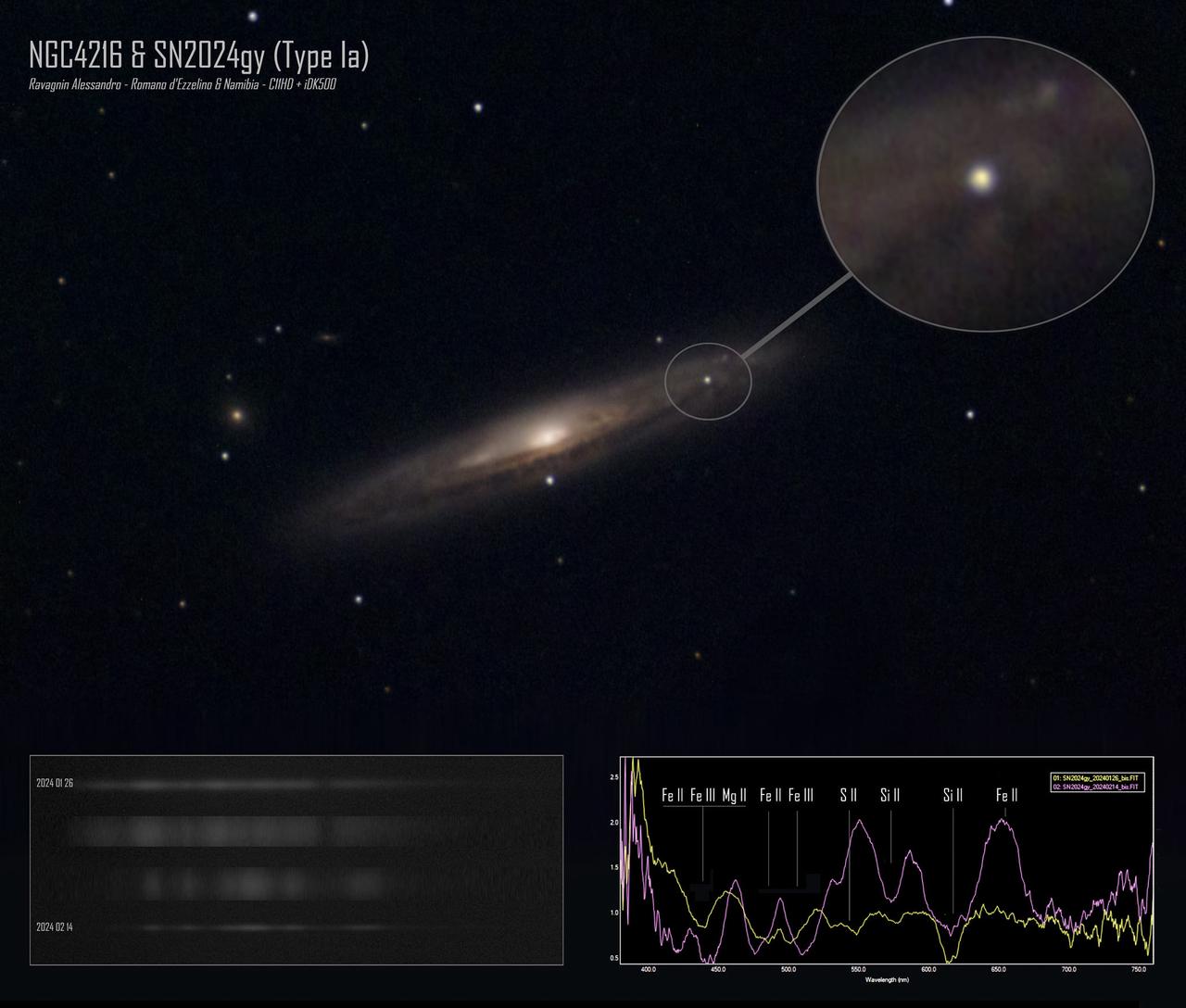
A Backyard Observatory with a Family Soul
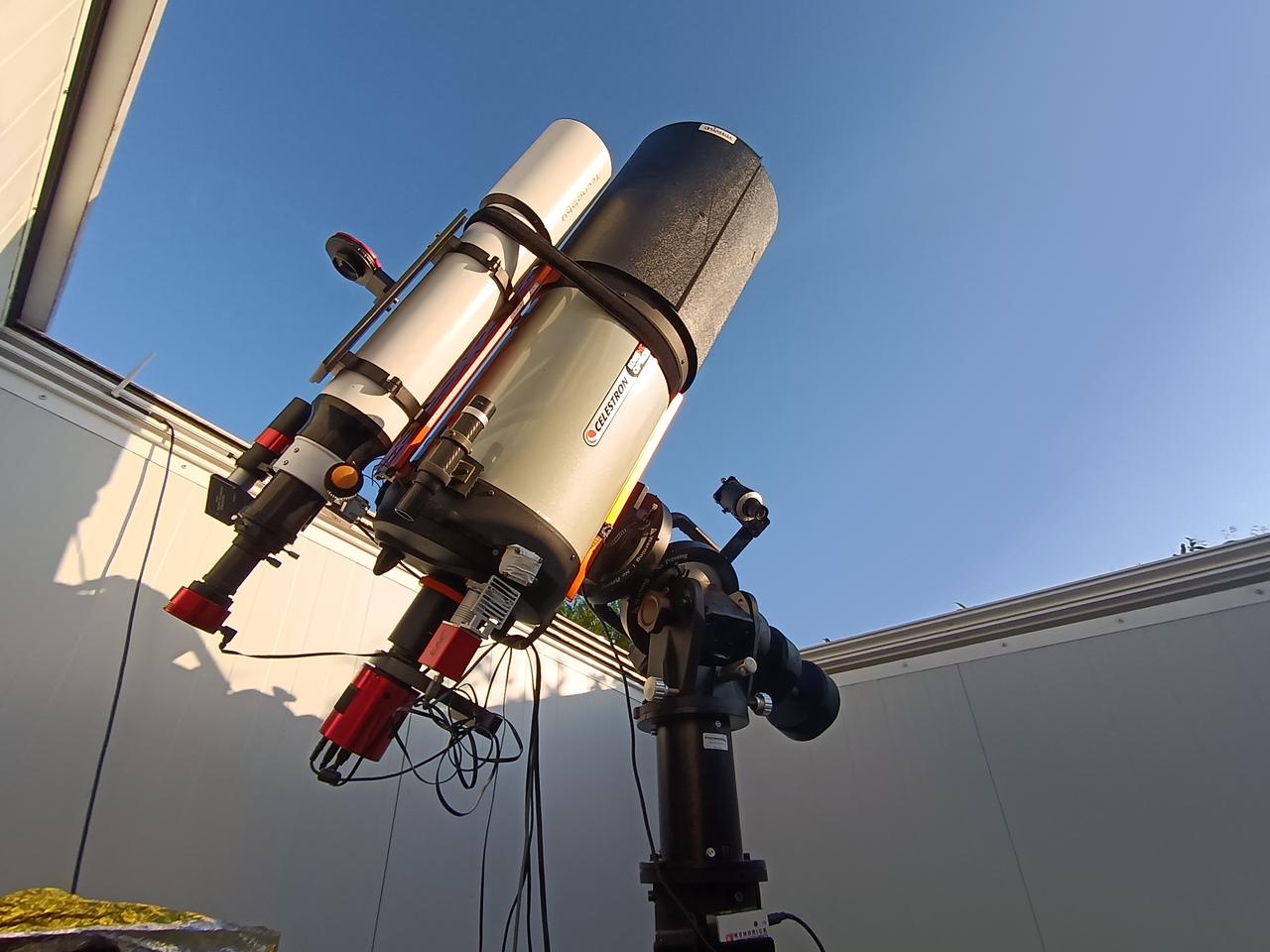
The heart of Alessandro’s imaging journey is his personal observatory, lovingly named ADAM, a combination of the initials of his children, wife, and parents: Andrea/Anna-Rosa, Davide, Alberto/Alfio, Maria. The dome, a fully automated Tecnoshelter 2×2 integrated with his home automation system, houses a versatile and evolving collection of astrophotography gear:
- Telescopes: C11HD Edge, Tecnosky 115/800mm, Canon 200mm f/4
- Mount: SkyWatcher EQ8
- Cameras: ZWO ASI2600MM Pro, ASI183MM, ASI2600MC Pro, ASI290MC, ASI432MM, and a modified Canon EOS350D
- Filters: Optolong LRGBSHO (deep sky); Baader CH4, IR650 & 850nm, UV (planetary); Baader Astrosolar and Daystar Quark Prominence (solar)
- Accessories: ZWO EFW 7×2” filter wheel, ZWO EAF focusers
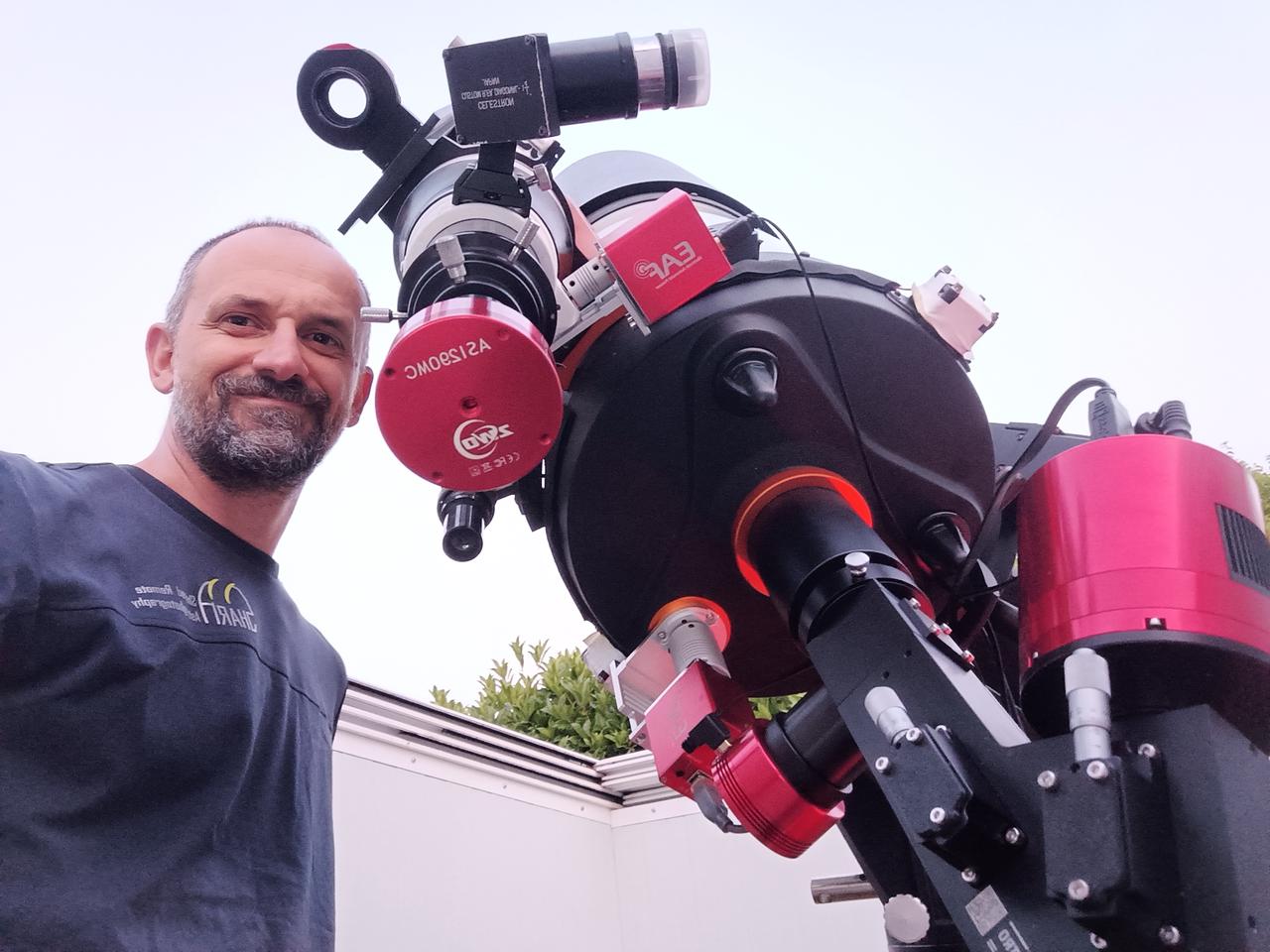
Alessandro hasn’t parted with his vintage orange C8 from the 1980s and also uses a Star Adventurer for mobile imaging sessions.In the past two years, his setup has taken a more scientific turn. He’s added:
- Spectroscopy tools: StarAnalyzer 200, Sol’Ex with 300/2400 l/mm gratings and 19/24/35 micron slits, MLAstro SHG700 with 2400 l/mm and a 7-micron slit
-
High-redshift galaxy imaging: Baader 2” H-alpha filter (35nm)
“This setup lets me conduct both high-resolution imaging and spectroscopy of faint objects directly from my backyard,” he notes.
A Solar Storm to Remember: Flares and Auroras from Home
One of Alessandro’s most unforgettable experiences came in 2024, during the peak of the 25th solar cycle. With the Sun high at the meridian and clear summer skies, he captured solar prominences, sunspots, CMEs, and powerful flares.

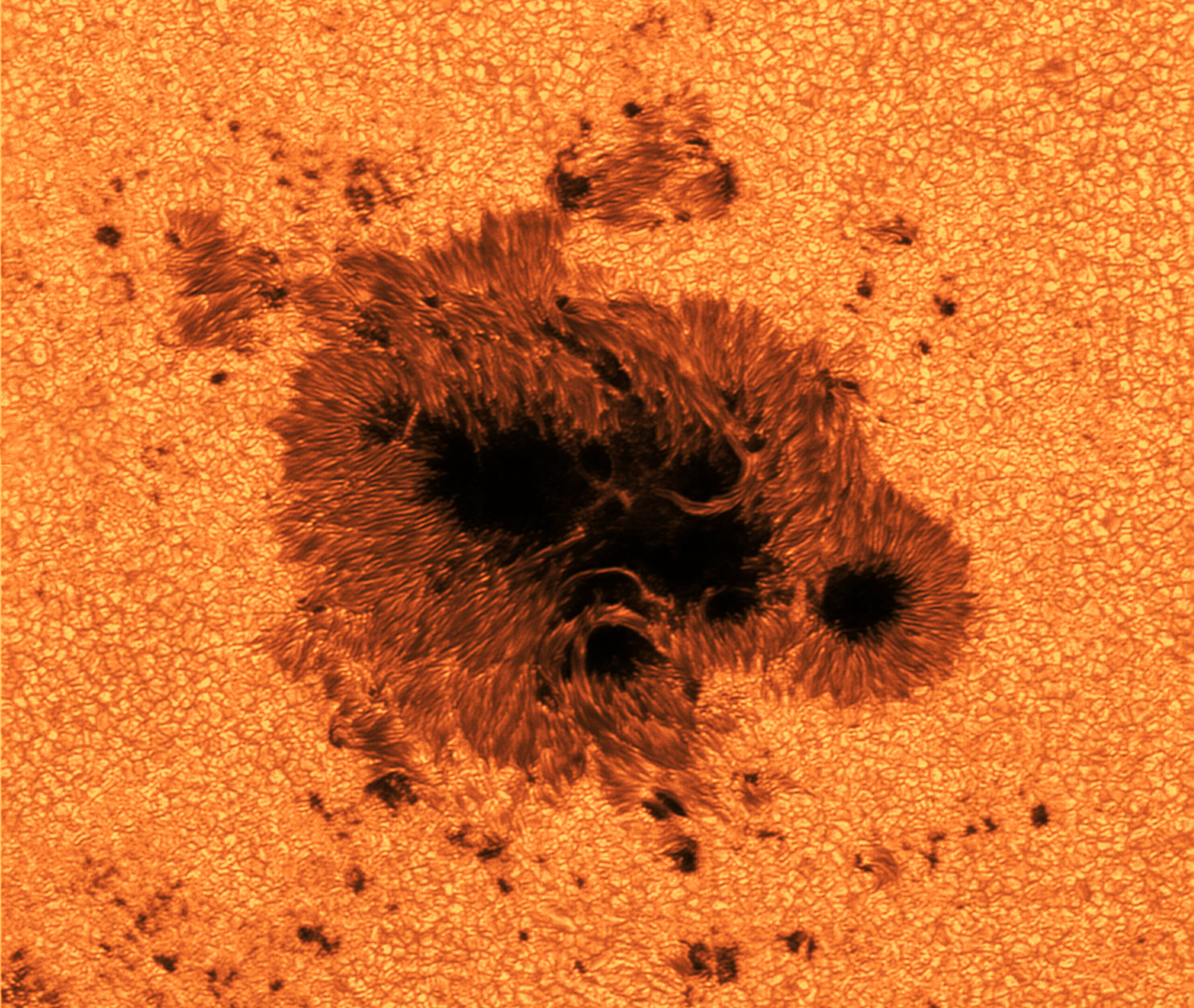
On May 10, 2024, after dropping off his children at school, he noticed an unusual solar spike from active region AR3664, producing an X3.98-class flare. Using ASI183MM and ASI432MM cameras, he captured the flare’s spectrum, including strong H-delta, H-gamma, and Ca II emissions.
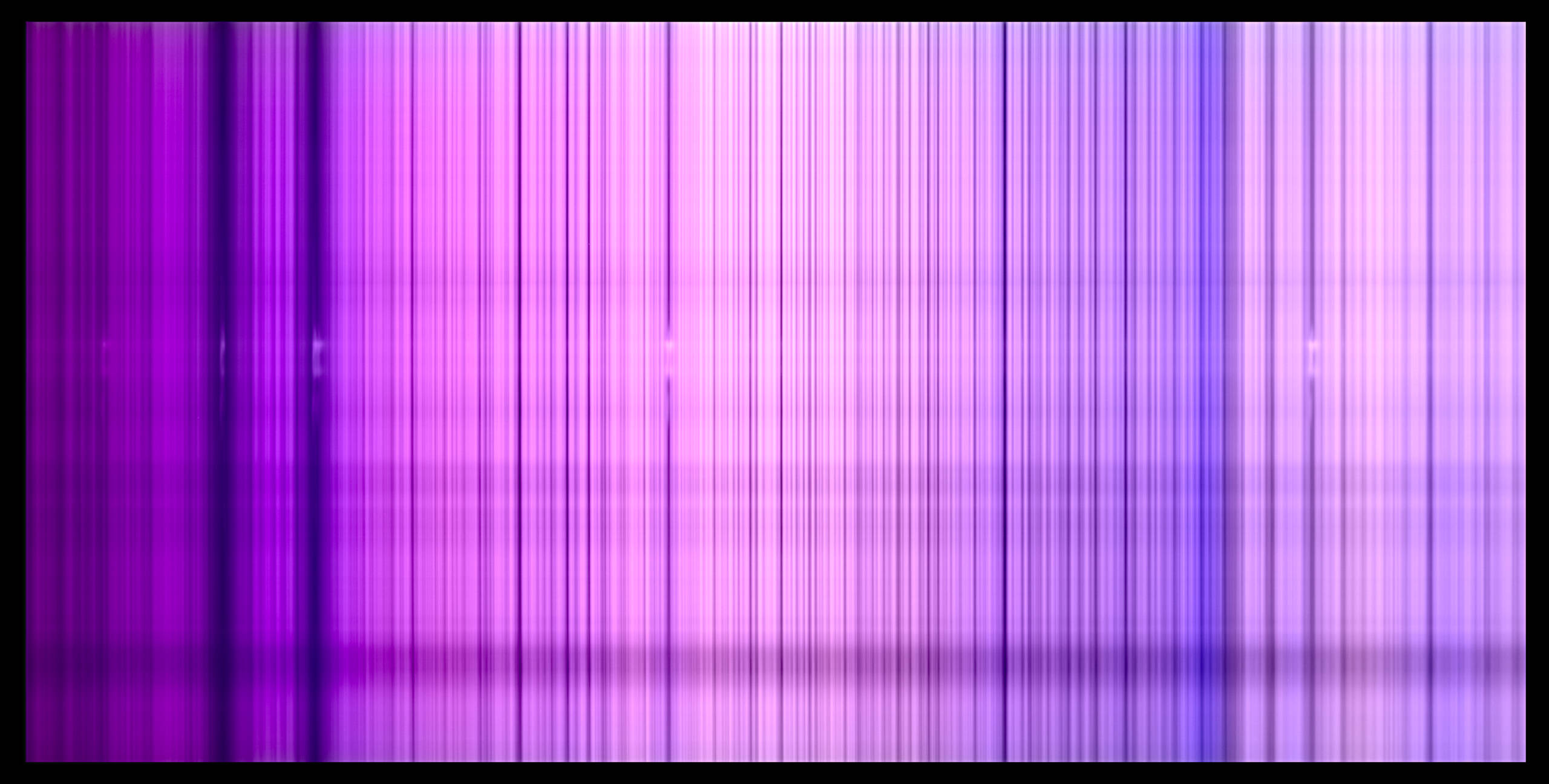
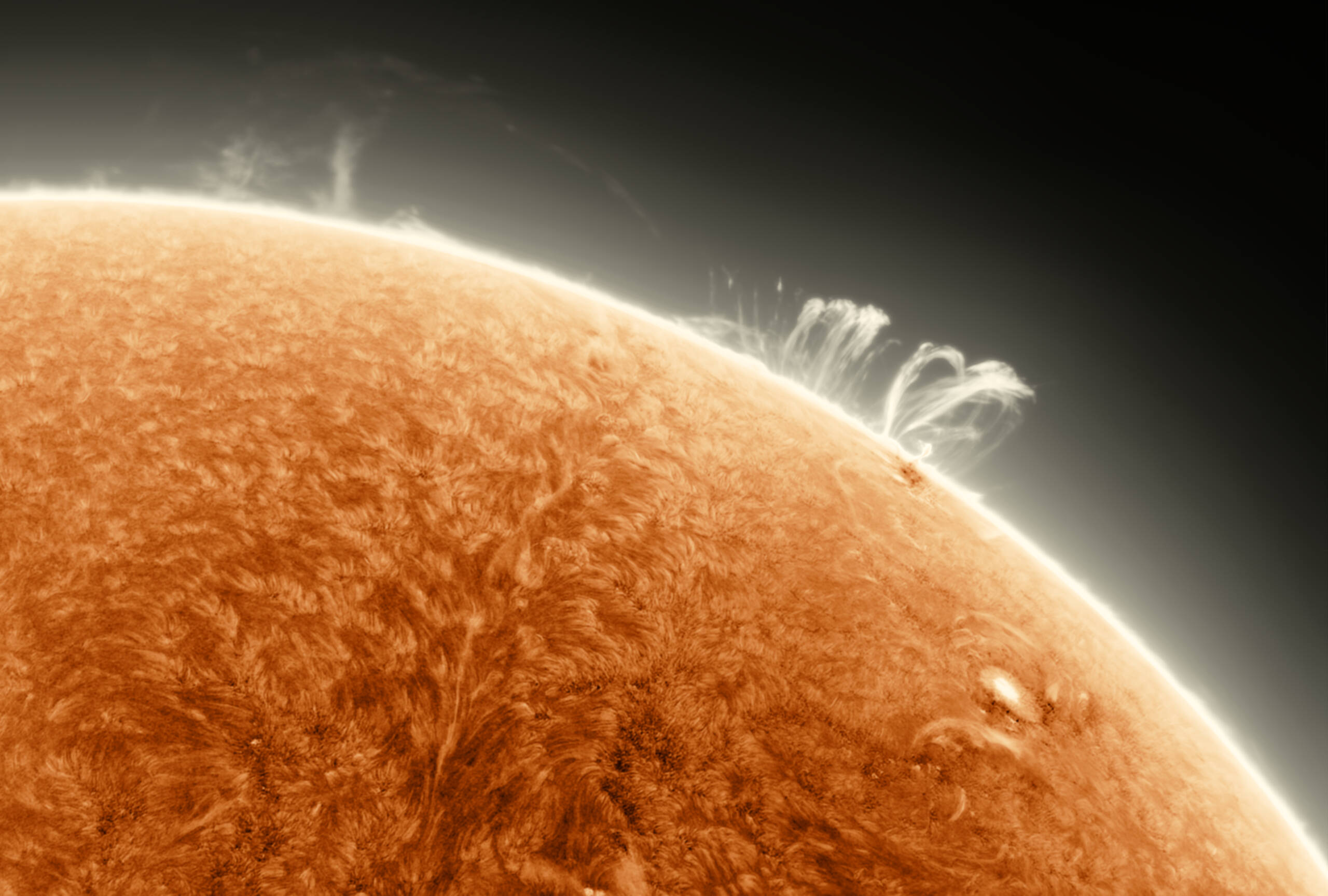
“It was a frantic but synchronized 40-minute session yielding rare, high-value data,” Alessandro recalls.
But the surprises didn’t end there. That evening, as night fell, the sky above his home in northern Italy lit up in a rare display: the aurora borealis — an extraordinary sight at such a southern latitude. For the first time in his life, Alessandro witnessed an aurora from Italy. He swiftly reactivated his spectroscope and managed to capture its spectral signature.

“It was a dream come true,” he says, “two rare solar and terrestrial events in a single unforgettable day.” A few months later, on October 10, the aurora returned for an even more spectacular encore.
Accolades and Achievements
Alessandro’s images have earned international acclaim:
Shortlisted three consecutive years for the Astrophotographer of the Year by the Royal Greenwich Museum
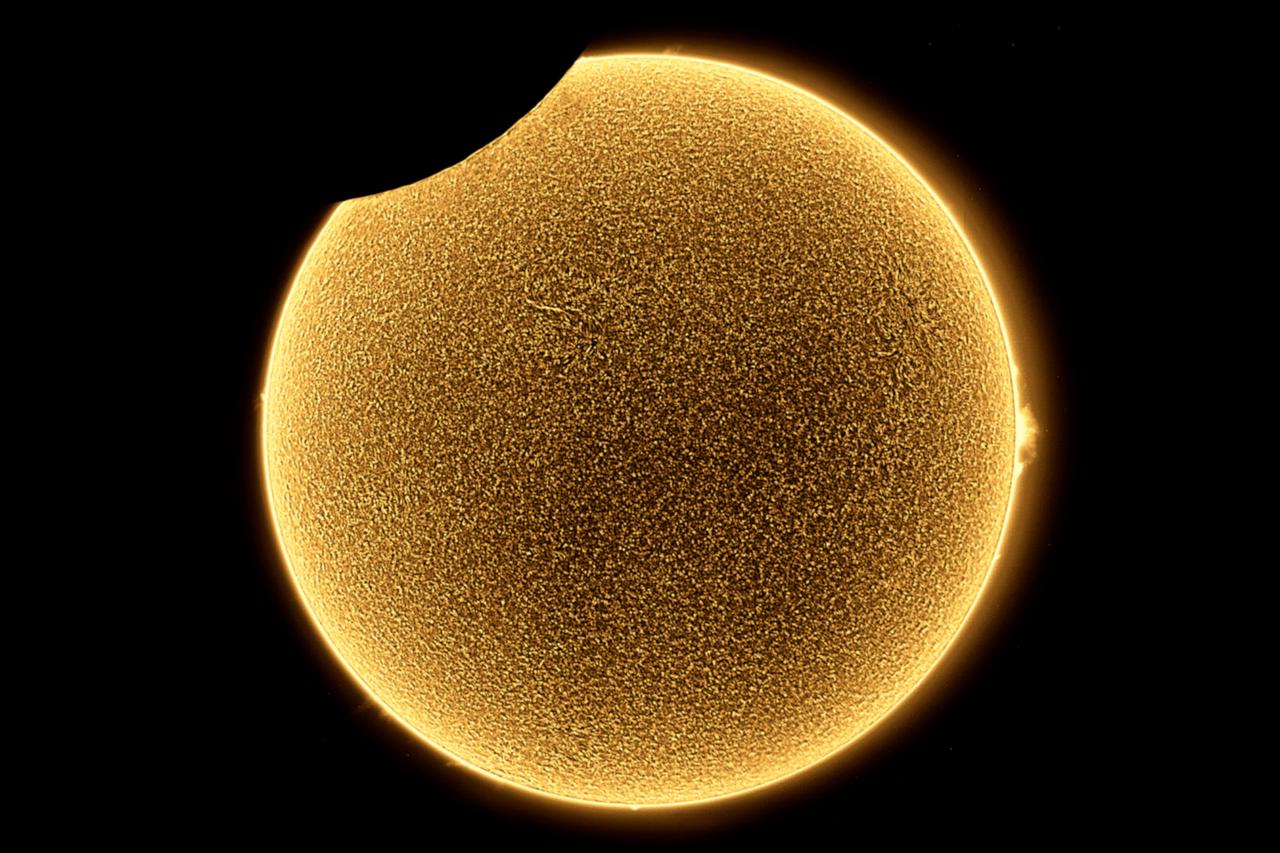
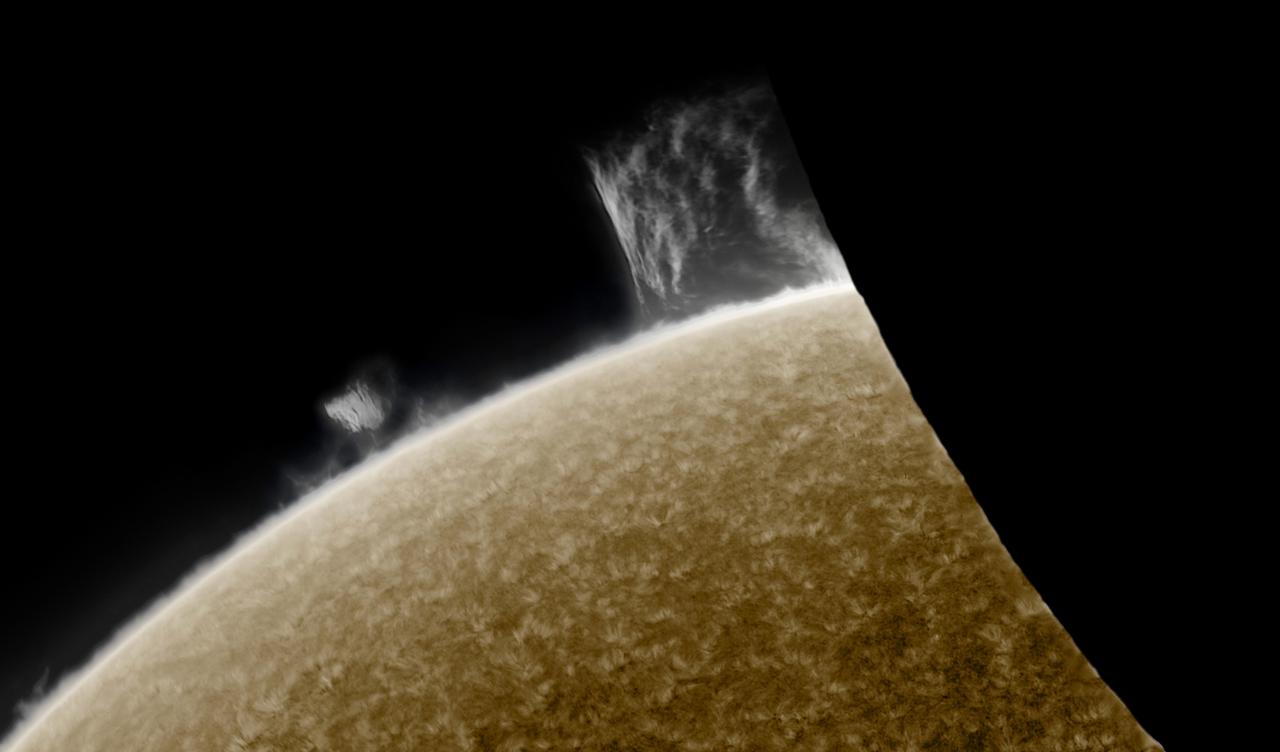
Winner of the first edition of European Astrofest 2024, first place in the “Solar System” category with a 25-panel solar eclipse mosaic.
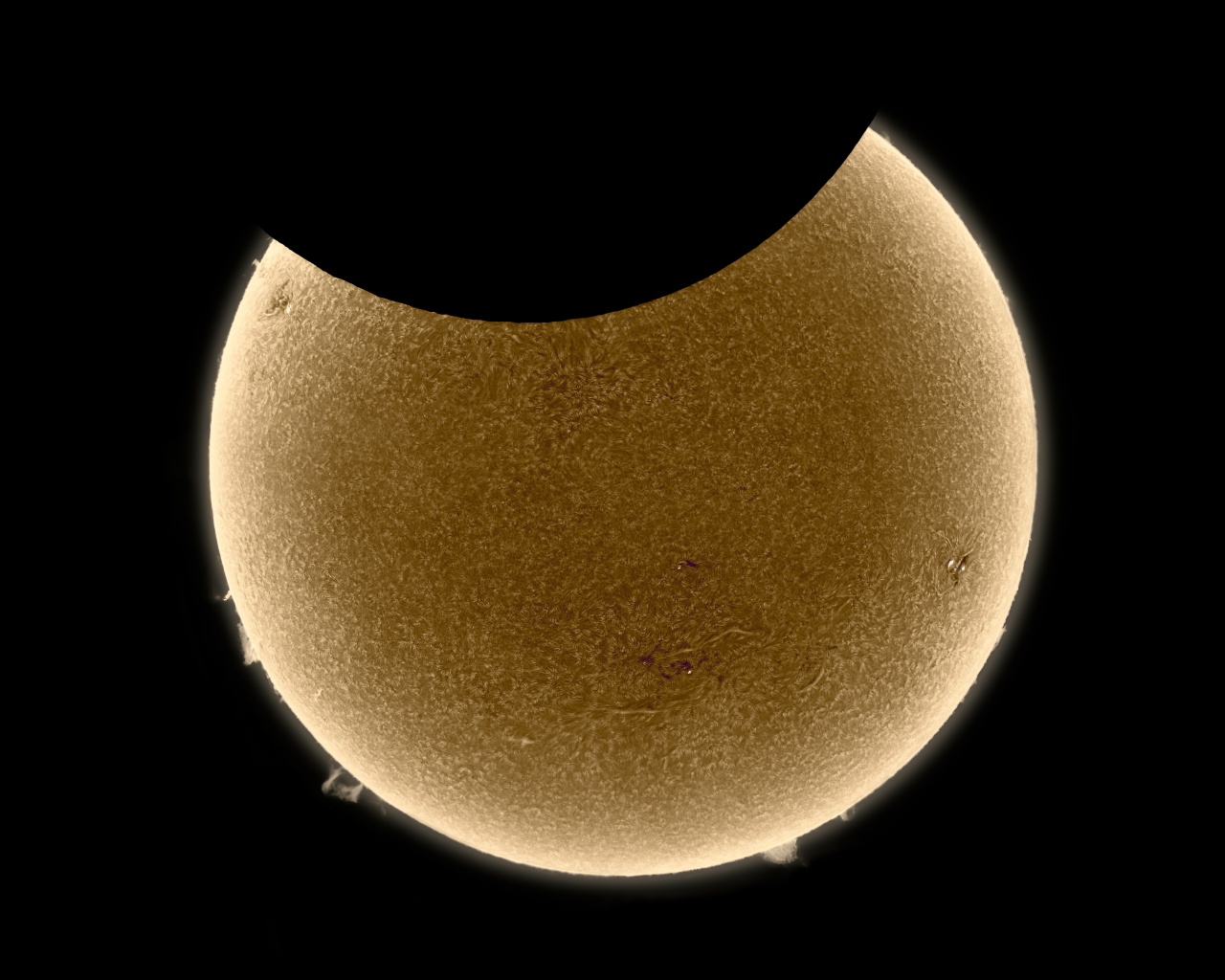
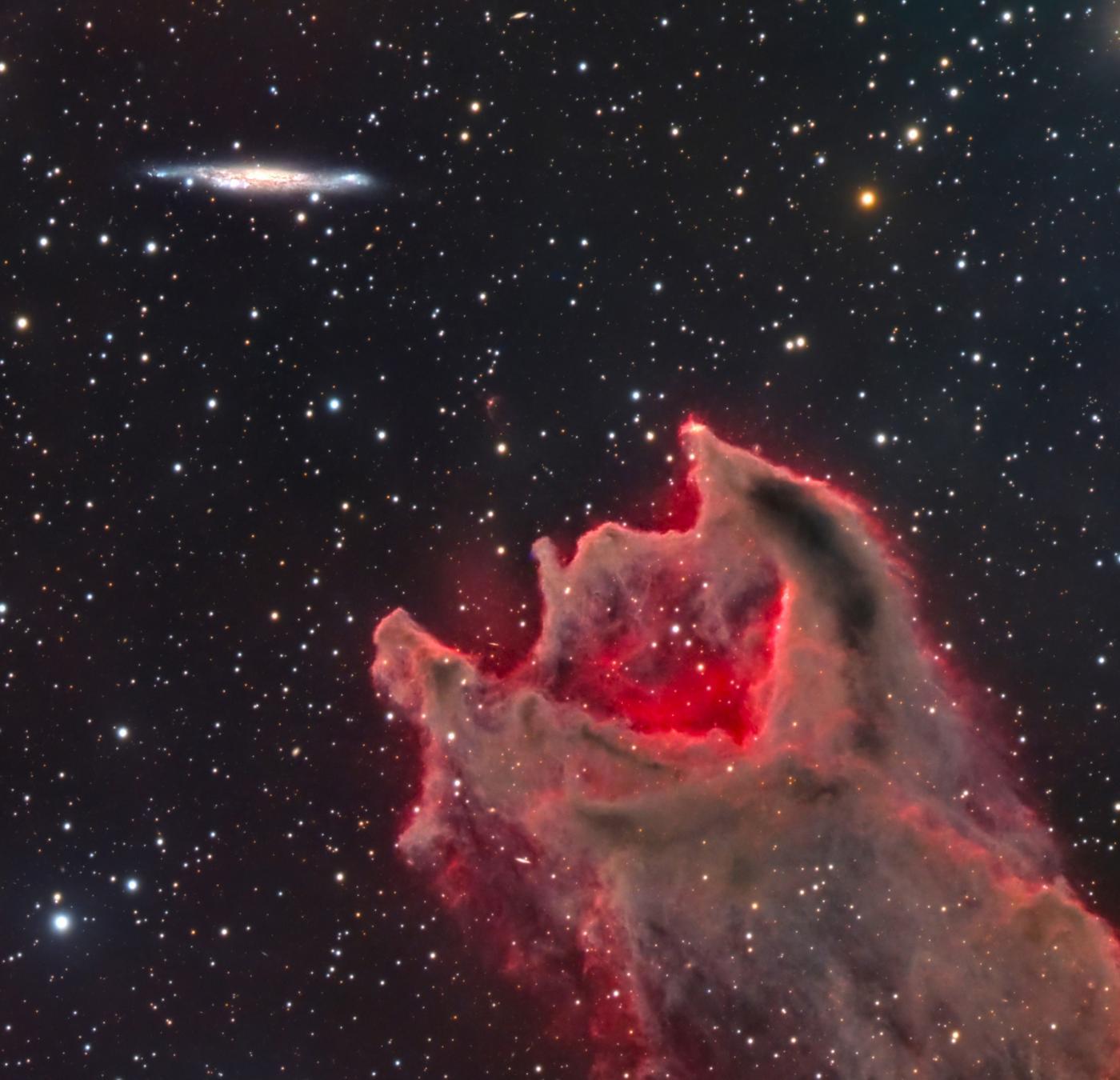
Leading the ShaRA Project
Alessandro also leads ShaRA (Shared Remote Astrophotography), a collaborative international initiative using large remote telescopes in Chile. Over three years, it has grown into a high-performing team of more than 20 astrophotographers, many of them award-winning.
“We’re even working with 6.5-meter professional telescopes now,” he shares. The team is currently awaiting results from ShaRA#12, which focuses on a mysterious object detected in their latest session.
Beyond the Classics: A Scientific Exploration
Instead of sticking to well-known targets, Alessandro has pushed boundaries. In the past two years, he has imaged:
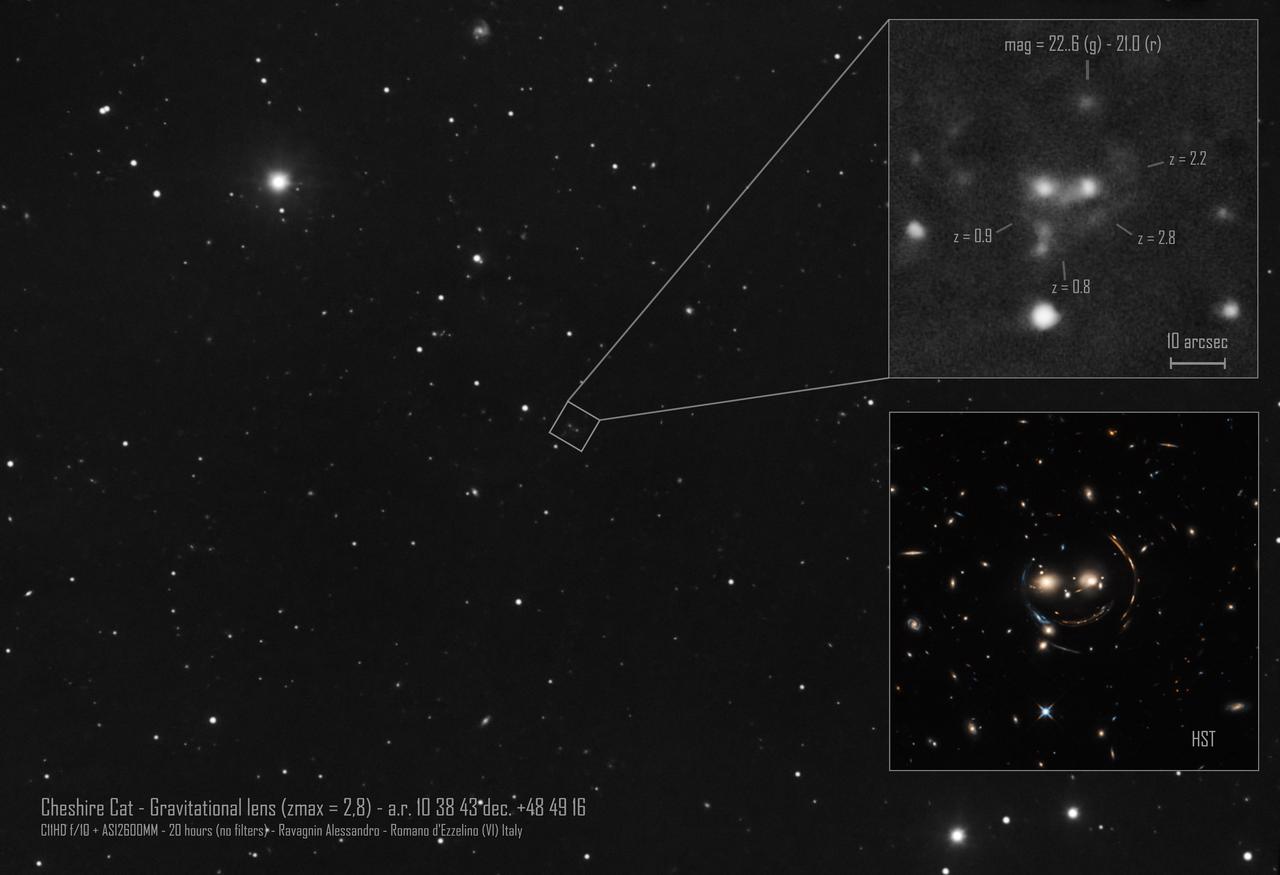
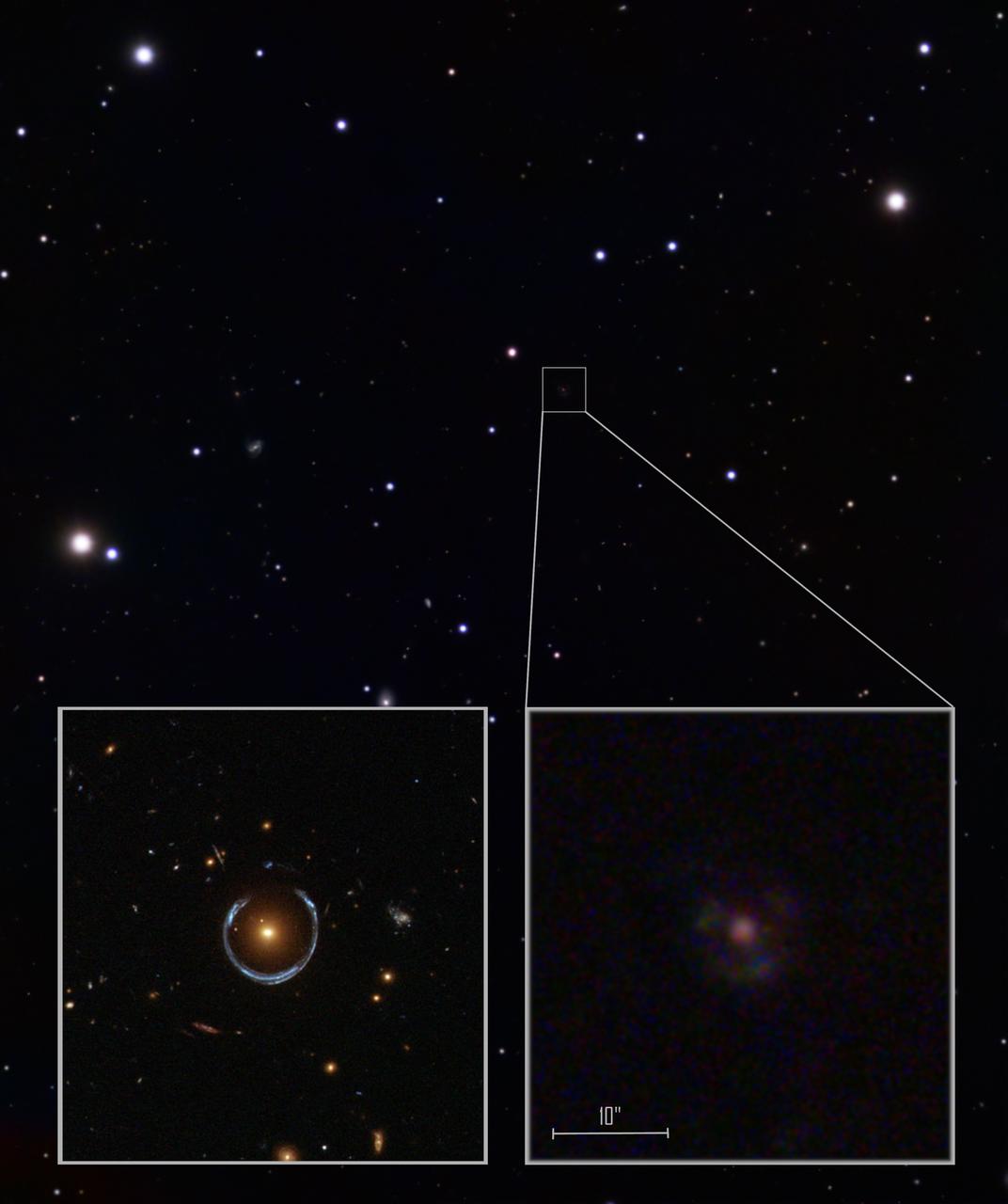
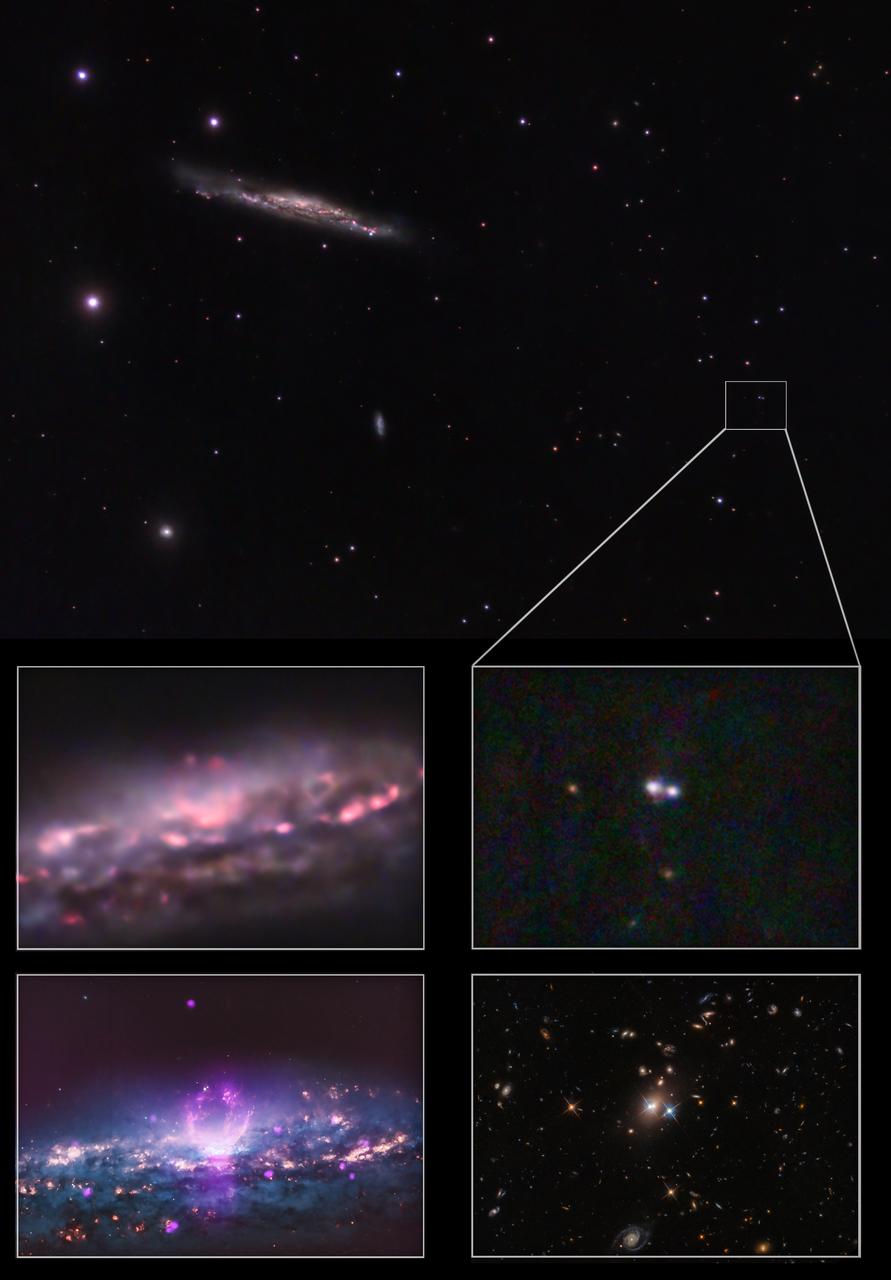
Gravitational lenses: The Cheshire Cat, The Cosmic Horseshoe, and the Twin Quasar
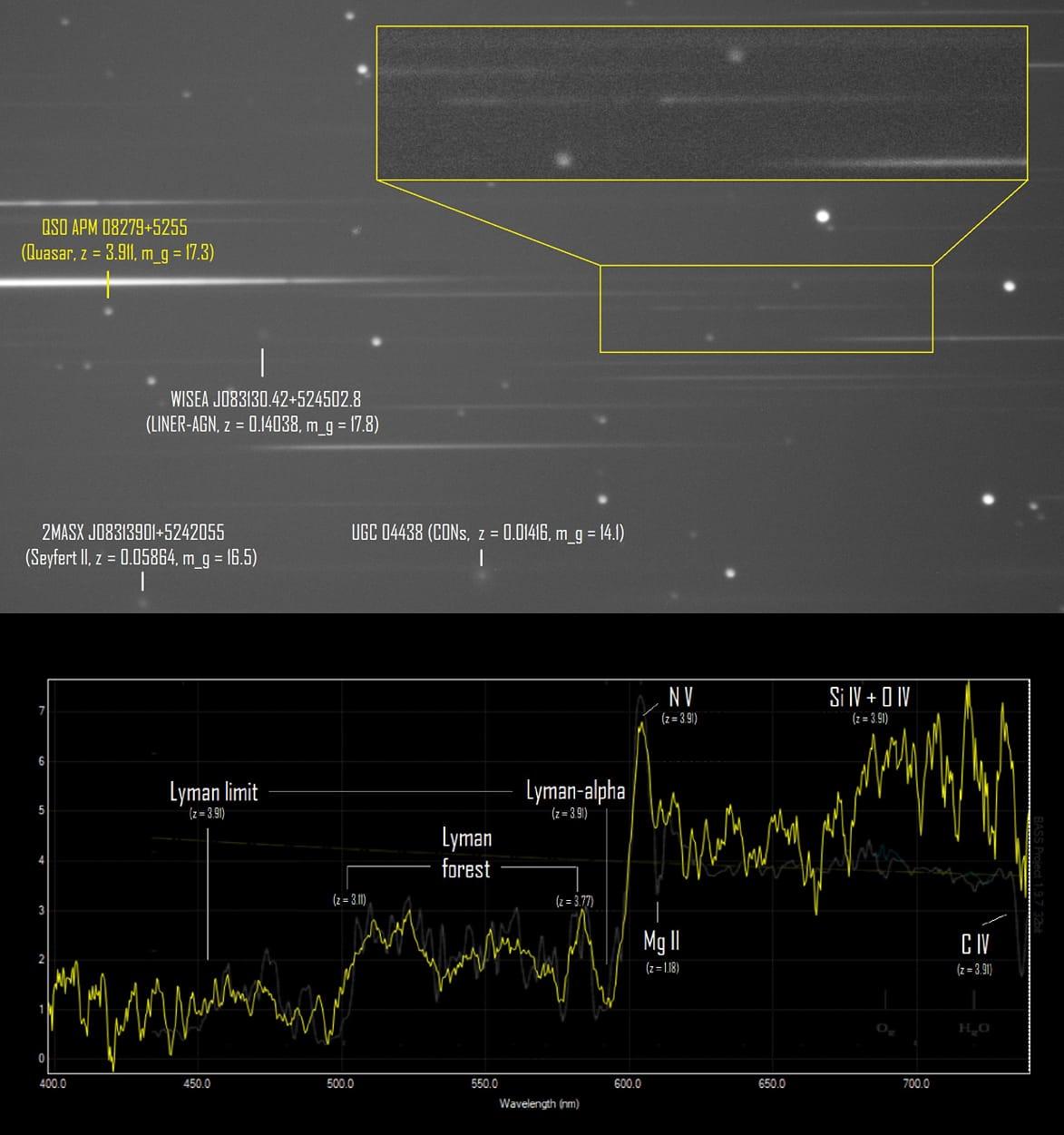
High-redshift quasars: APM 08279+5255 (z > 3.9), detecting Lyman-alpha emission
AGN H-alpha emission: Perseus A
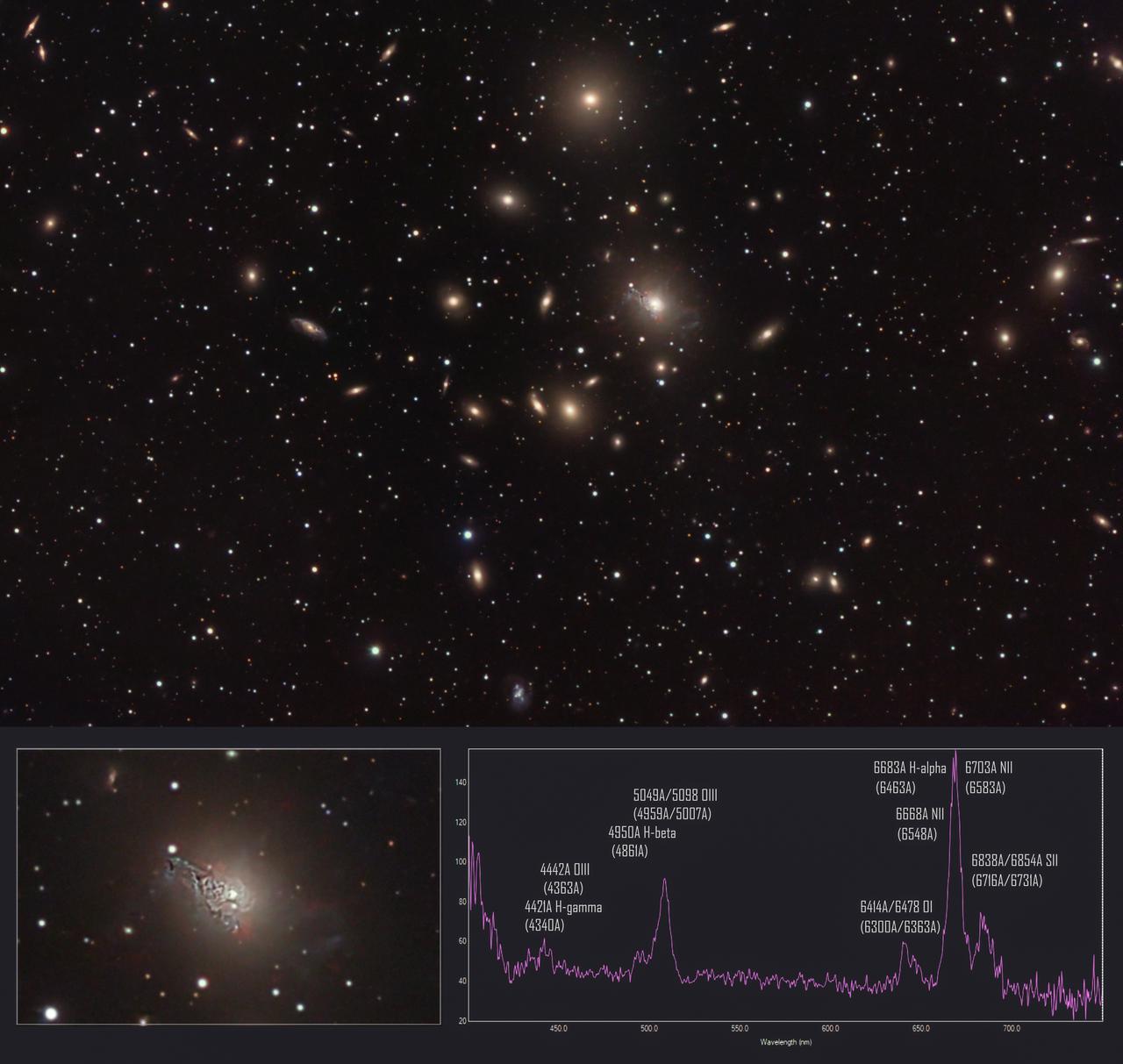
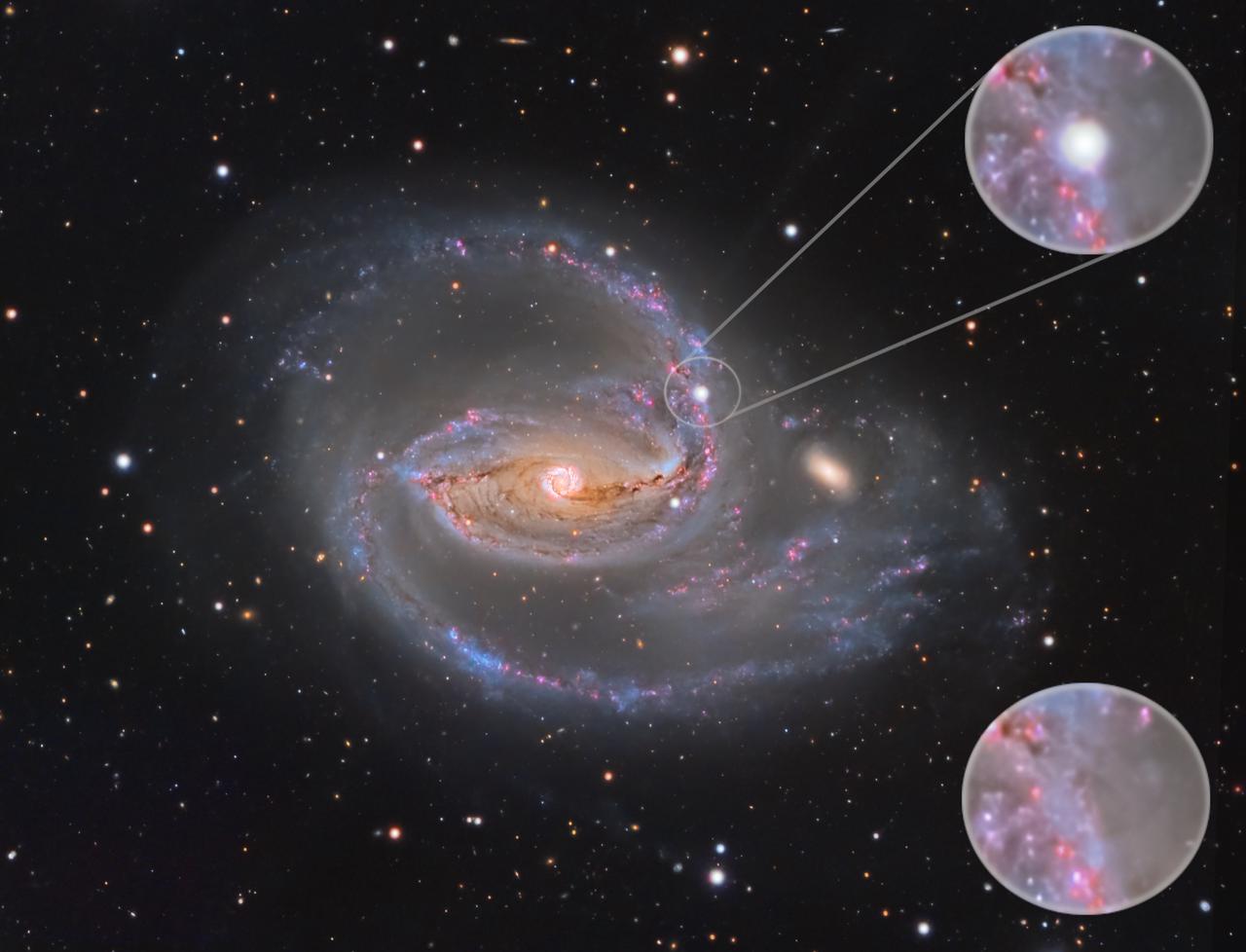
Supernovae: Including SN2023rve
Be stars and planetary nebulae via high-resolution spectroscopy
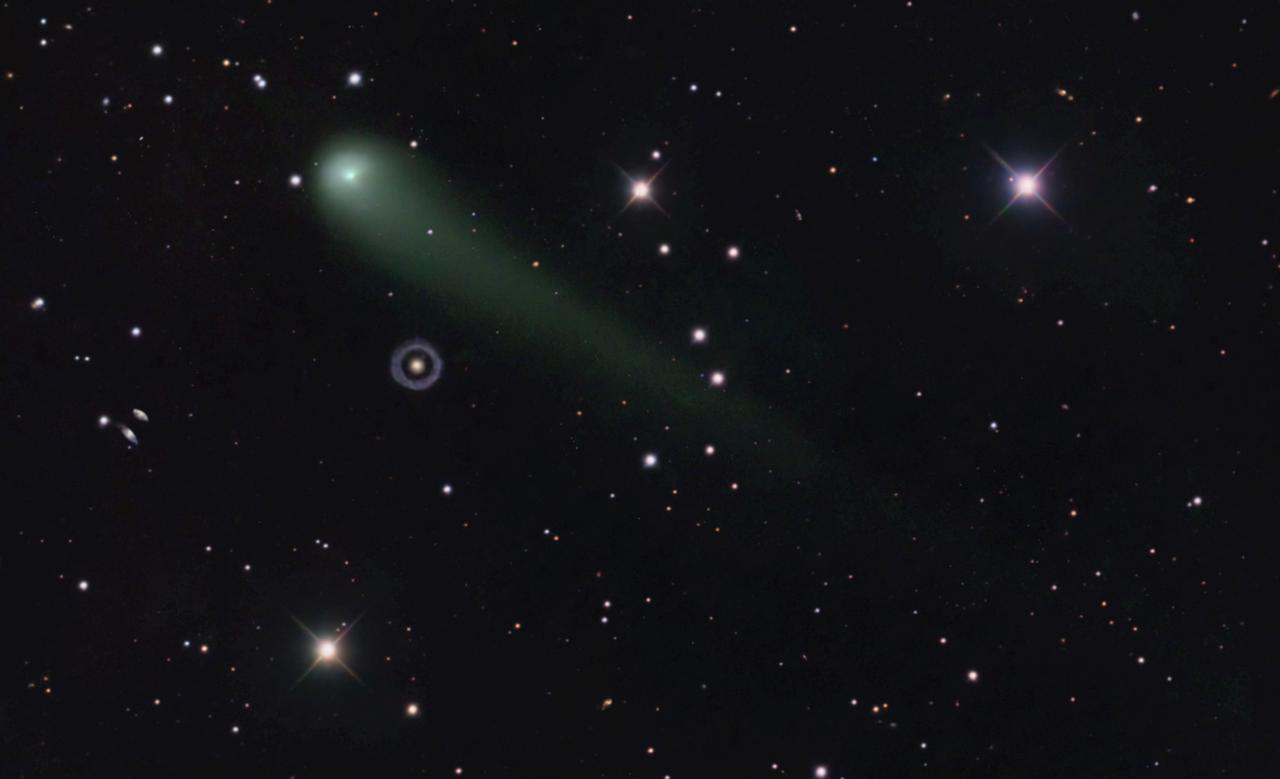
“These images may not be visually spectacular, but they’ve enriched me deeply,” he explains. “Capturing a celestial object without knowing what it is or why it appears that way is like doing only half the work.”
What’s Next
Currently, Alessandro is focused on observing a spectroscopic binary star and a Be star, using precision spectroscopy techniques that require careful alignment, calibration, and mechanical management.
His advice to beginners? “Nurture your passion with dedication and study. Read and understand the science. Share and learn. That’s how you grow.”
ZWO in His Workflow
Alessandro’s first ZWO camera was the ASI290MC, recommended by a friend. Now, his toolkit includes:- ASI183MM for high-res planetary and solar imaging
- ASI432MM for fast H-alpha work
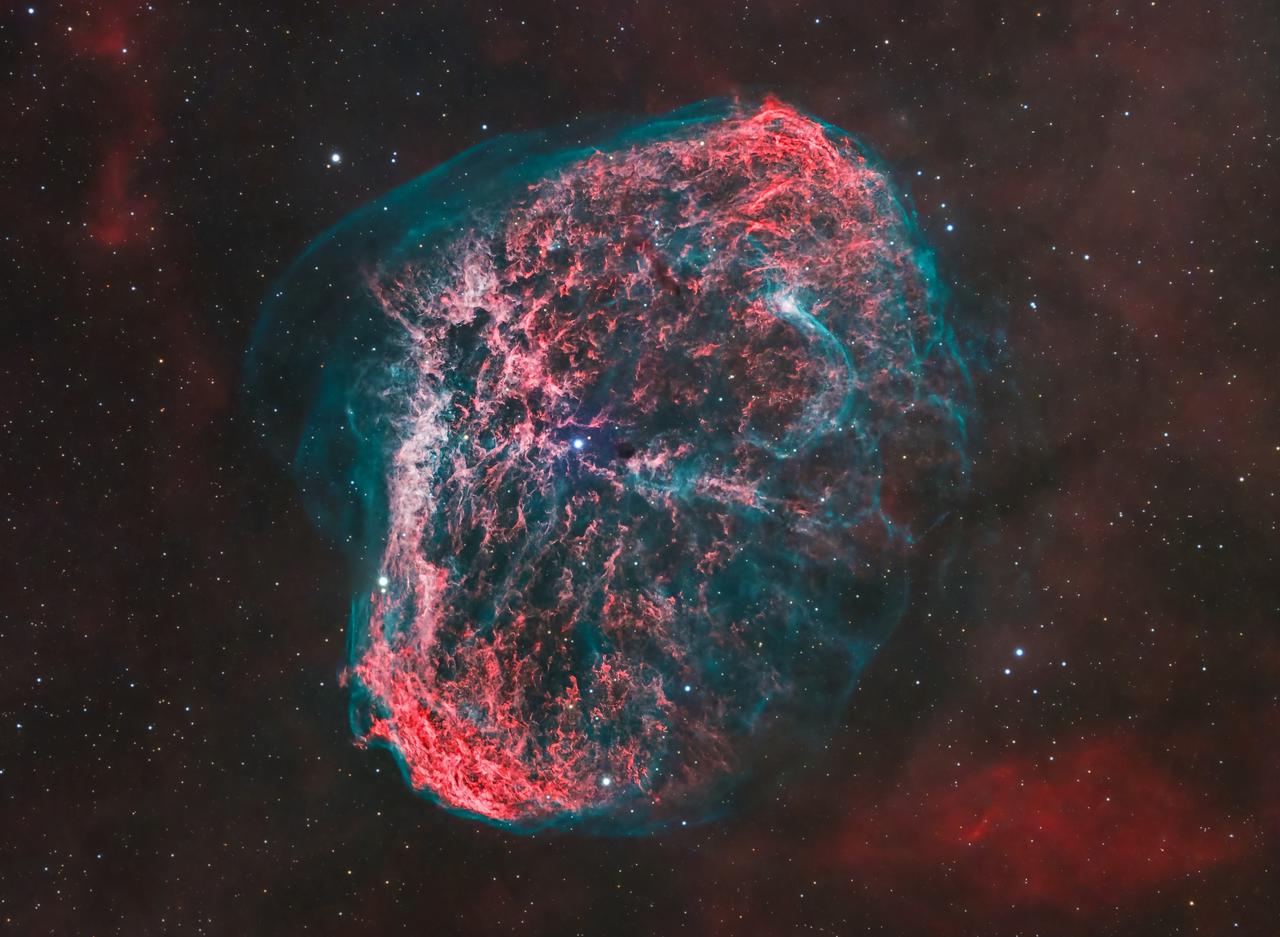
- ASI2600MM/MC for deep-sky and comets
“These are the two main cameras I use for 90% of my imaging time each year,” he says. He’s also eyeing the ASI183MM Pro for future spectroscopy projects.
His biggest wish for ZWO? More tools in ASIImg: autofocus during sequences, a spectroscopy previewer, and image alignment tools for spectra. “I know these are niche applications,” he says, “but I can dream! Just like I do every time I find myself immersed in the stars.”